Daily driver
A running sedan may fit a standard open carrier. Agree on a pickup window and check for a place with safe loading space at each end.
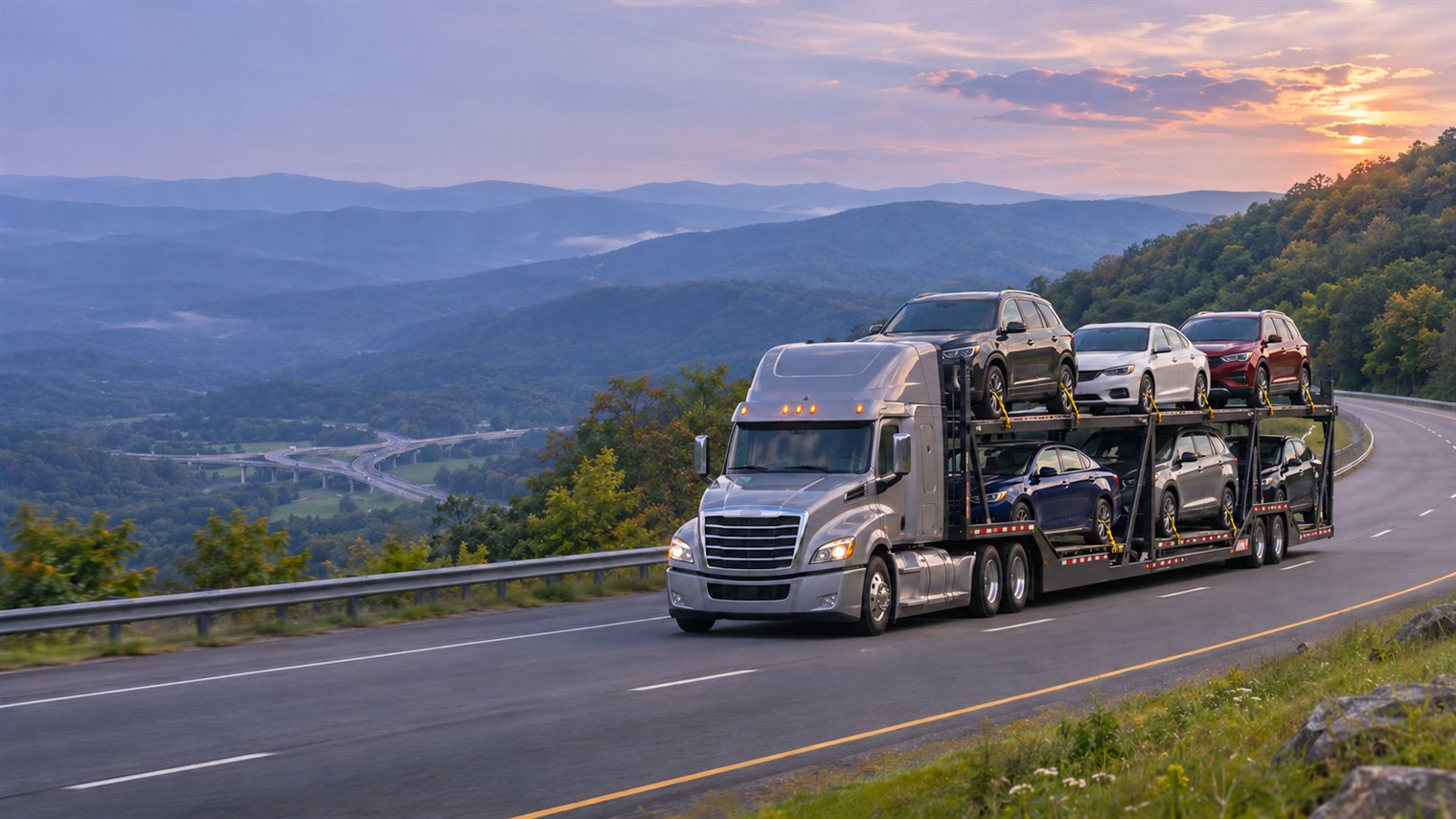
Start with your route. See what changes an estimate, what to have ready and what to confirm before booking.
Three decisions make the process easier. Share the right shipment details, review the written terms, then plan a handoff where the carrier can load safely.
Start with your pickup and delivery cities or ZIP codes, earliest pickup date, vehicle and trailer preference. Include both vehicles if you’re moving more than one.

Tell us about modifications, condition and access. Review the applicable written price, payment and cancellation terms. Before pickup, confirm the assigned carrier, equipment and arrival window.
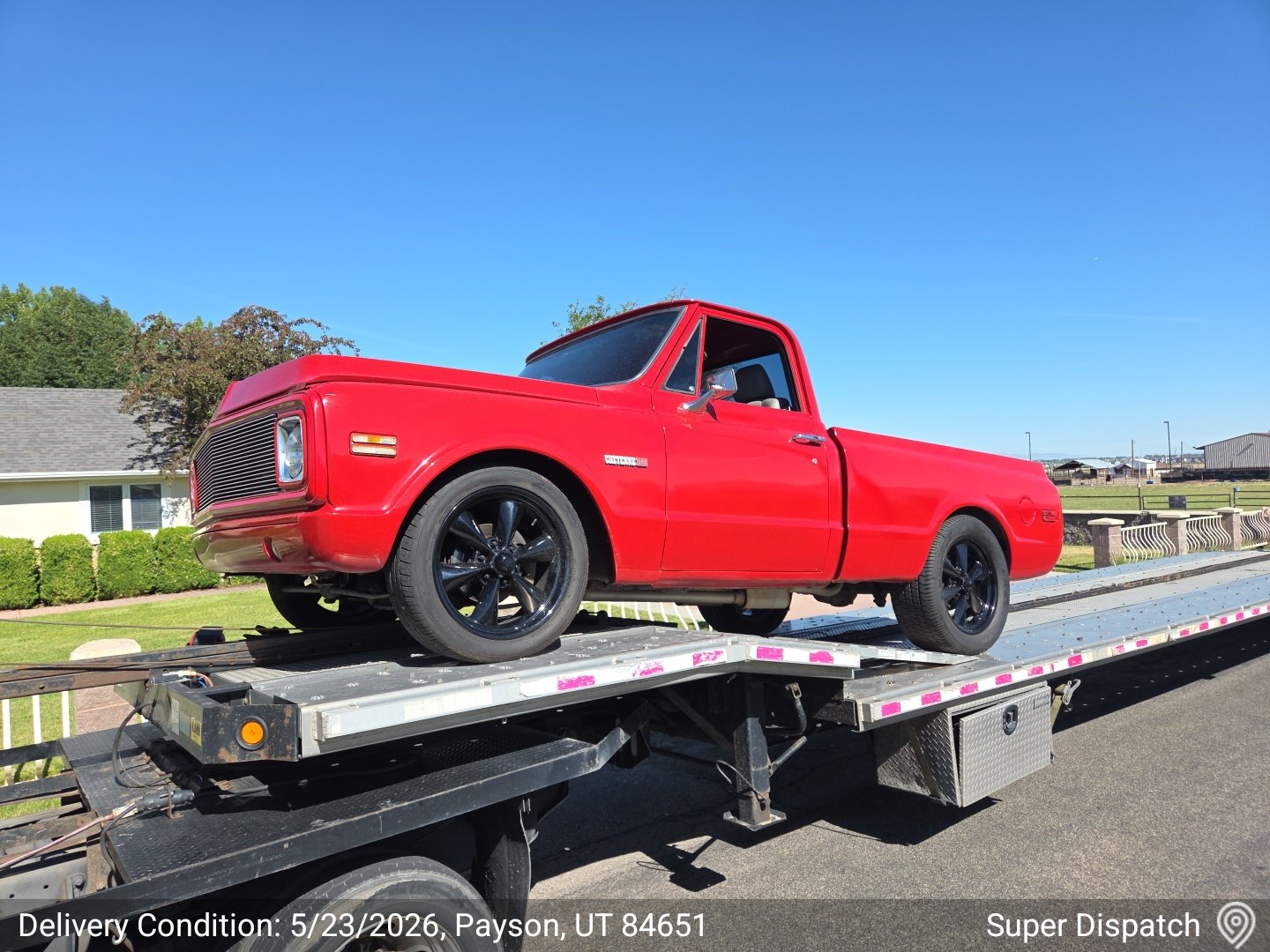
Have your receiving contact compare the vehicle with the pickup inspection. Document any visible changes on the delivery paperwork, take photographs and retain a copy.
The route establishes the trip. The vehicle, trailer, access and timing help determine which carriers can handle it. Two shipments with similar mileage can require very different arrangements.
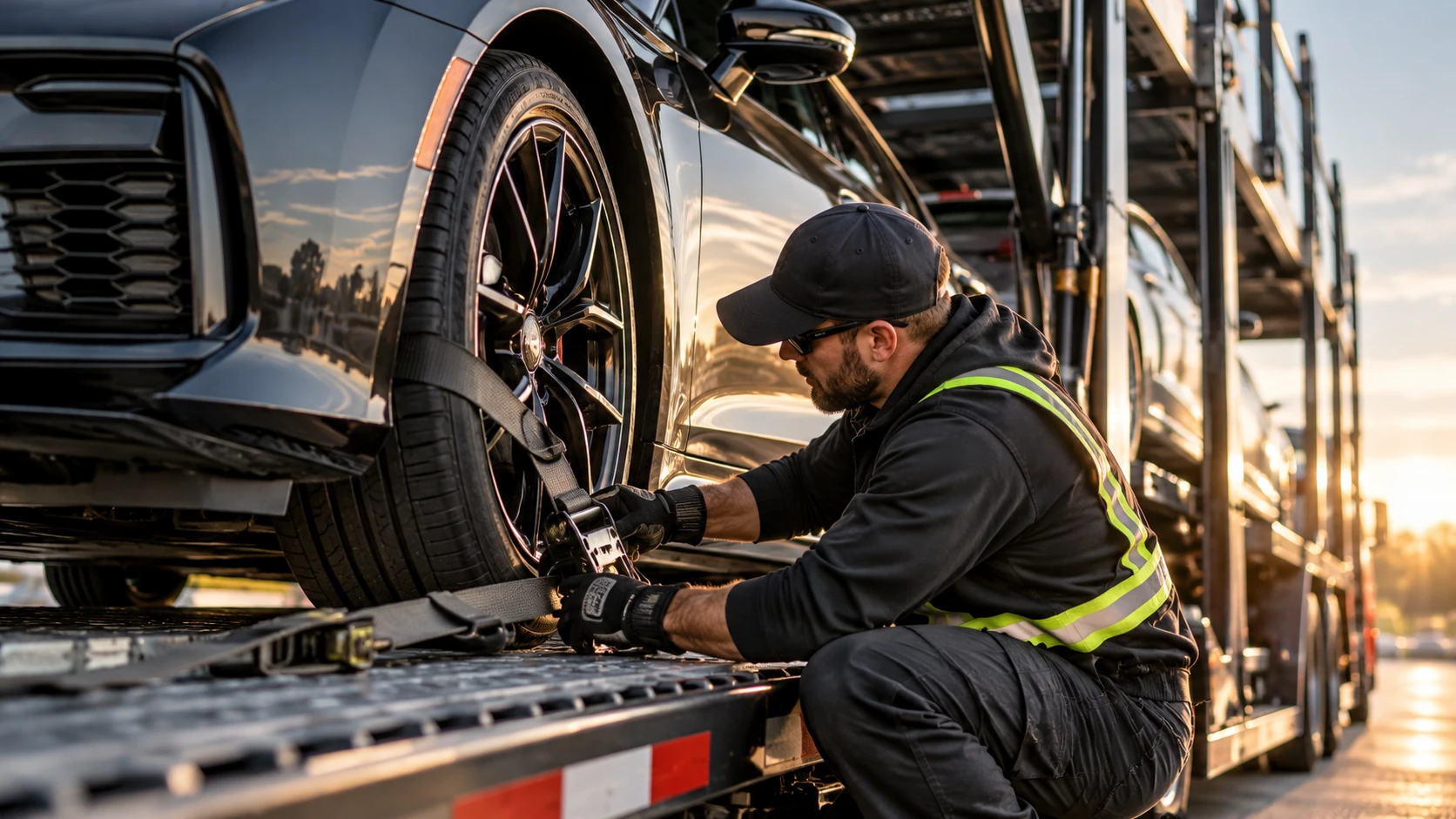
Use these examples to identify the facts that matter before you request an estimate.
A running sedan may fit a standard open carrier. Agree on a pickup window and check for a place with safe loading space at each end.
Look beyond the model name. Share overall height and length after modifications, along with the tire setup. Confirm deck fit with the assigned carrier.
Explain what still works. A car that rolls, steers and brakes presents a different loading problem from one with a locked wheel or failed brakes.

A practical option for an everyday vehicle when exposure to weather and the road is acceptable. Confirm fit and loading for a larger or modified vehicle.
Explore open transport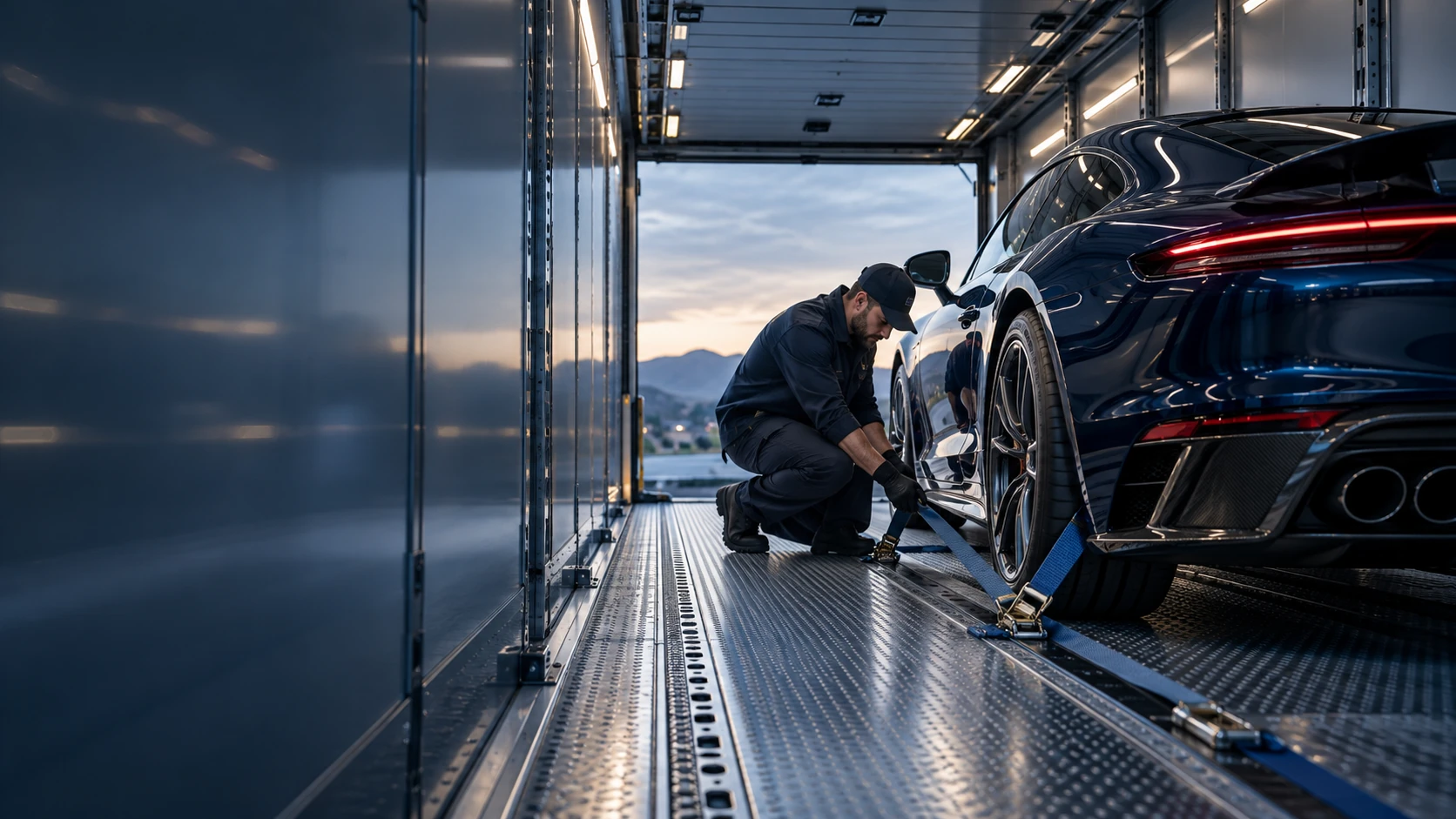
A covered trailer shields the vehicle from direct weather and road debris. For a collector or low-clearance car, confirm how the carrier will load it and what coverage applies.
Explore enclosed transportCompare the same service. Ask whether the two offers use the same route, trailer, timing, condition assumptions and pickup arrangements.
Review amounts and timing in writing. The applicable quote or agreement explains broker fees, any deposit, carrier balance, accepted payment, cancellation and refund terms. Ask how a changed address, vehicle, window or missed handoff could affect the arrangement.
Confirm the carrier and coverage. Ask about the carrier’s identity, coverage for your specific vehicle, exclusions and the claims process. Request an update if the carrier or equipment changes.
Review recent experiences with Dynamic Transportation on our public Google profile.
“They were very patient and communicative throughout the process.”
Michael Larsen · Google
“Very great communication, showed up when they said they would, friendly, and helpful.”
Melissa Zitt · Google
A useful estimate needs the route, vehicle, operating condition, transport method and requested dates. Carrier availability also affects the quote. Request a route-specific estimate and review the final written terms; a national average is not a binding offer for your shipment.
No. Final pricing is confirmed after shipment review. Confirm the vehicle details, loading requirements, fees, payment schedule and carrier arrangements before authorizing an order.
The locations, route demand, vehicle size, equipment, pickup flexibility and operating condition can differ. Compare estimates prepared for the same shipment details and check what each price includes.
No fixed premium applies to every shipment. Enclosed equipment, loading needs and availability vary. Compare a current open and enclosed quote for the same route and vehicle.
Disclose items through the quote workflow and confirm the assigned carrier's written limits, charges and exclusions. Do not assume items are included or insured.
Check the route, vehicle details, transport method, pickup window, carrier information, insurance terms, fees and cancellation conditions. Keep the written agreement and document the vehicle's condition at both handoffs.
Share your pickup and delivery locations and the vehicle details. We’ll review the route and the arrangements that fit.