Auction or private purchase
Confirm release authorization, yard or seller hours, storage deadlines and a person who can identify and release the vehicle. Ask the seller for current condition photos and any starting instructions.
Auction pickup guide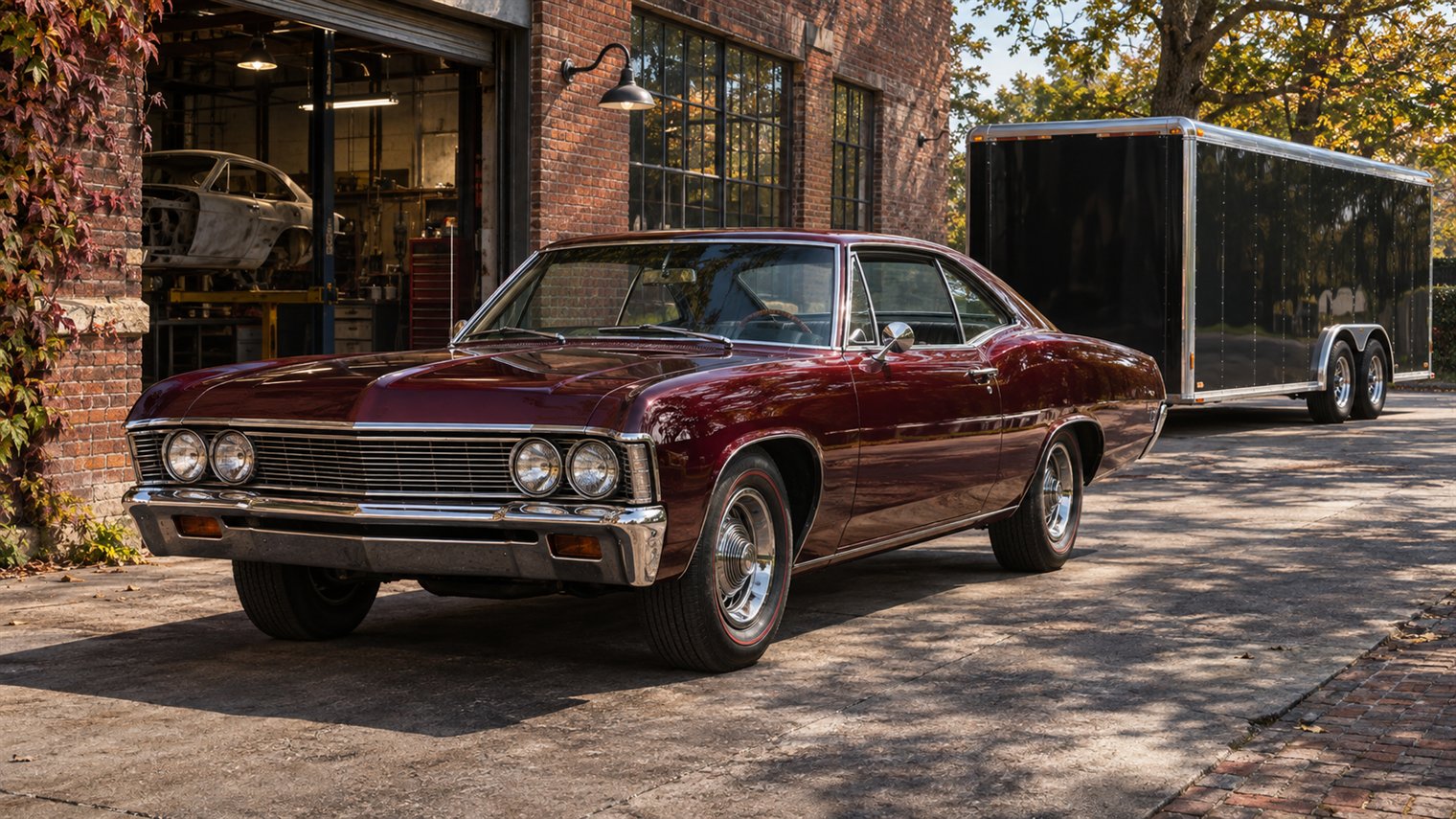
From the restoration shop to the next collection. Plan around your car’s condition, handling requirements and receiving arrangements.
A restored cruiser, an unfinished project and an auction purchase all require different preparation. Share where the car is coming from, who can release it, how it runs and when it must be received.
Include the real ride height, starting procedure and unusual controls. A battery cutoff, hidden switch or sensitive trim matters more at the ramp than a model year alone.
Confirm release authorization, yard or seller hours, storage deadlines and a person who can identify and release the vehicle. Ask the seller for current condition photos and any starting instructions.
Auction pickup guideDescribe whether the car starts, rolls, steers and brakes. Identify loose panels and removable parts. Agree separately on any keys, covers or pieces that should travel with the vehicle.
Give us event access windows, a backup receiver and where the truck can unload. Allow time for receiving and setup. Ask about the return leg if it needs coordination.
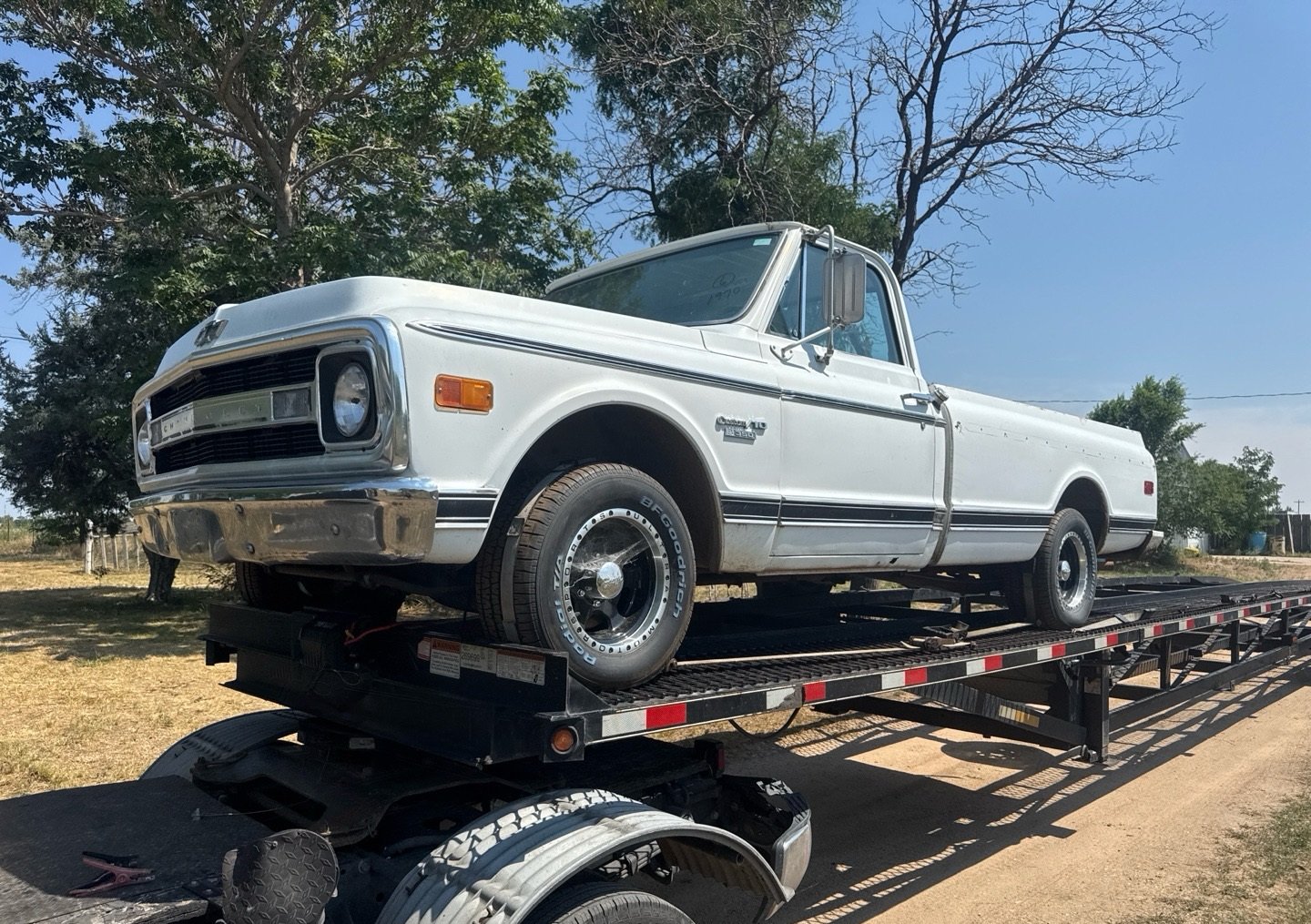
Open transport can suit some driver-quality cars when direct weather and road exposure are acceptable. An enclosed trailer helps shield show cars, delicate finishes and other vehicles where exposure matters.
Confirm the loading method for a low, fragile or inoperable car independently of whether the trailer is open or enclosed. Share bumper, exhaust and underbody clearance and discuss carrier fit and access.
Put the paperwork and photographs in one place so your buyer, seller or receiving contact can refer to the same record.
At pickup, identify visible existing marks and hold on to the carrier’s inspection record. At delivery, compare it with the vehicle before signing. Photograph and document any differences under your shipment’s applicable claims instructions.
Review low-clearance and coverage considerationsReview recent experiences with Dynamic Transportation on our public Google profile.
“They were very patient and communicative throughout the process.”
Michael Larsen · Google
“Very great communication, showed up when they said they would, friendly, and helpful.”
Melissa Zitt · Google
Describe whether it rolls, steers and brakes, plus any leaks, locked wheels or loading restrictions. Suitable loading equipment and carrier acceptance must be reviewed before booking.
An enclosure can reduce weather and road-debris exposure. Discuss vehicle value, clearance, condition, route and loading needs to compare suitable open and enclosed options.
Confirm release authorization, payment clearance, pickup hours, contact details, keys, vehicle dimensions and condition. Check storage deadlines and any loading assistance before scheduling the carrier.
Take clear dated photographs before pickup and review the inspection record with the driver. Compare the vehicle at delivery, record any concern before signing and keep the documentation.
Do not assume a particular agreed value is covered. Review the assigned carrier's policy limits, exclusions and claims process against the vehicle's needs before transport.
Share your pickup and delivery locations and the vehicle details. We’ll review the route and the arrangements that fit.