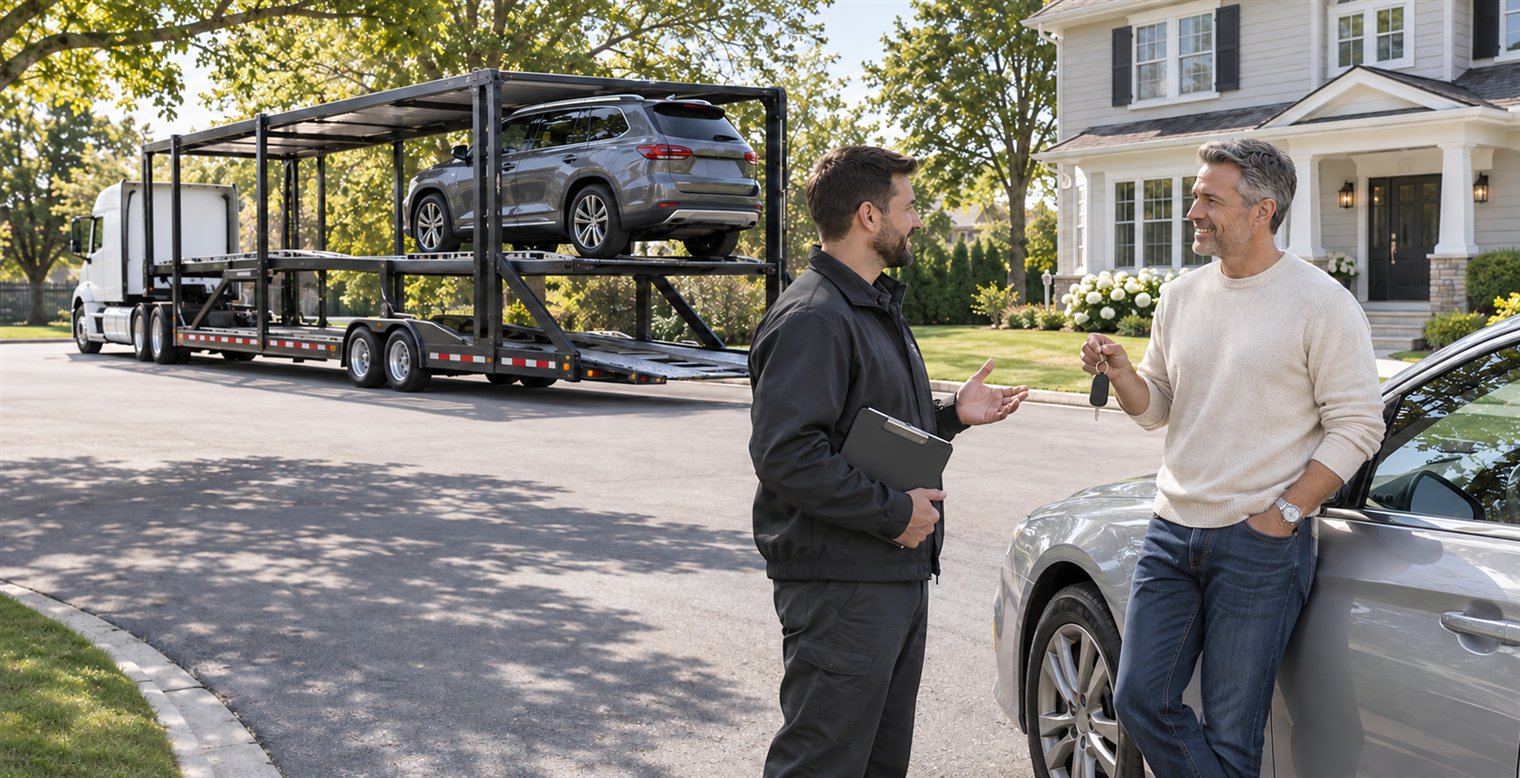
Door-to-Door Car Transport
Plan pickup and delivery as close to your chosen addresses as the carrier can safely and legally reach.
How close can the carrier get?
Door-to-door service starts with your preferred pickup and delivery addresses. The carrier aims to reach them or agree on a nearby location where the truck can lawfully approach, stop and load. A driveway that fits your car may still be unsuitable for a car hauler.
Tell us about overhead branches, wires, steep entries, tight turns and posted truck restrictions at both ends. Confirm the approach with the assigned carrier before arranging a handoff.
Plan around the property
Choose the handoff that works for the person releasing or receiving the car. Share a reliable contact and a backup before pickup.
- Residential street
- Confirm local loading restrictions, curb space and turning room. A carrier may propose another nearby location suitable for its equipment.
- Gated community
- Share the office contact, guest access rules and where a commercial truck is allowed to stop. An approved lot outside the gate can simplify the handoff.
- Apartment or condominium
- A parking garage or porte-cochère may restrict height or turning room. Ask management where a transporter can load without using an emergency lane or blocking traffic.
- Dealer, workplace or storage yard
- Confirm release paperwork, site hours, security check-in and an authorized contact who can inspect and sign. For auction pickups, confirm gate and storage deadlines first.
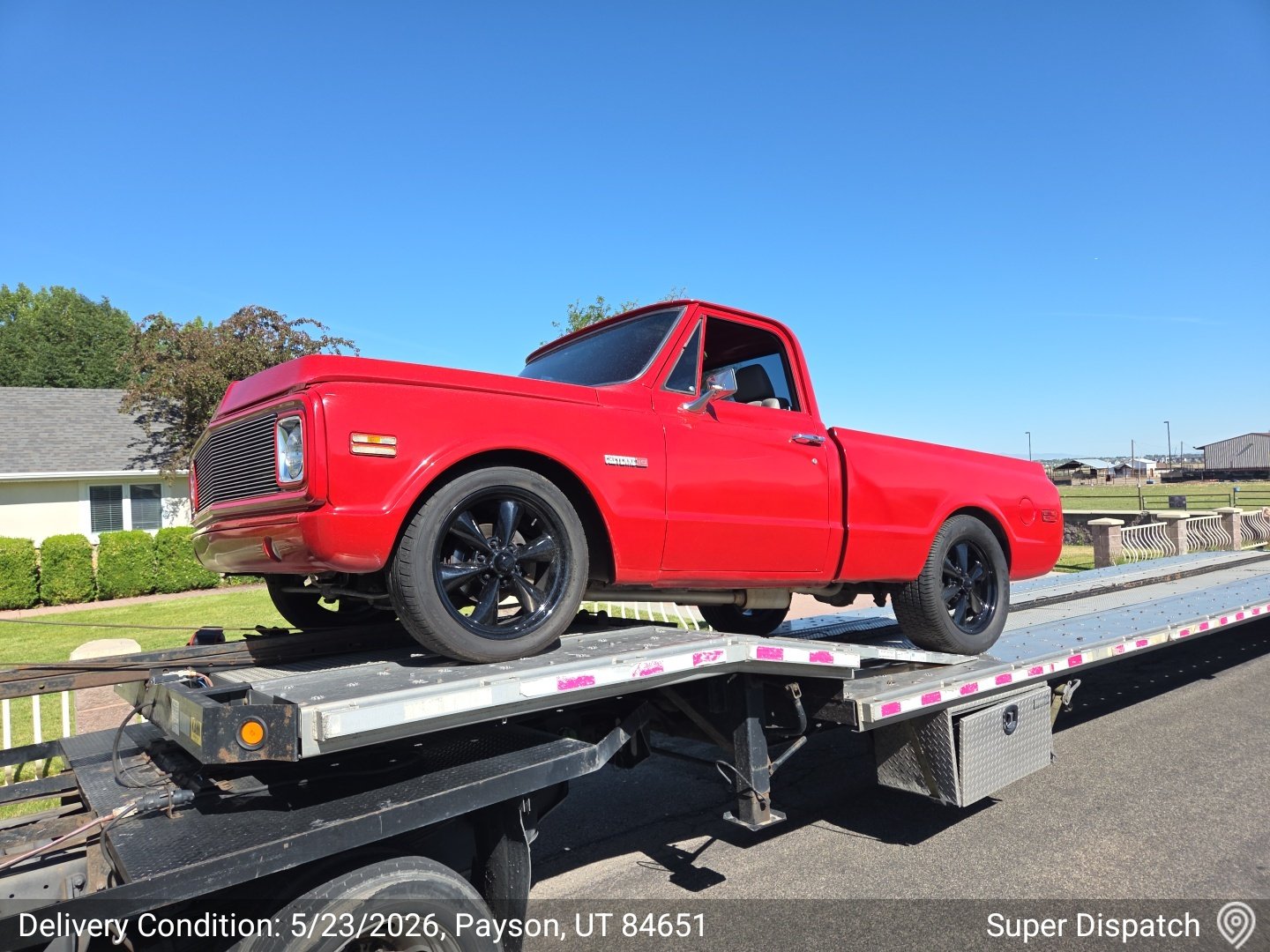
What happens at pickup and delivery?
Before pickup. Provide a working key and explain any starting instructions. Remove items that haven’t been cleared, check the vehicle’s condition in daylight and share modifications or operability changes.
At pickup. The person releasing the car and the carrier record visible condition. Keep photos and a copy of the inspection or bill of lading. If someone meets the carrier for you, confirm who can sign and provide their contact ahead of time.
At delivery. Compare condition with the pickup record before signing. Document any visible discrepancy and follow the claims terms that apply to the shipment.
Door-to-door or a designated terminal?
Door-to-door. You choose the preferred addresses. The carrier confirms the approach and any nearby alternative. See the open and enclosed options that may fit your vehicle.
Terminal-to-terminal. At providers that offer it, customers usually take the vehicle to and collect it from designated terminals. Ask about hours, storage terms, extra trips and assigned provider before comparing offers.
Compare the complete trip
Ask which locations, equipment and pickup window your written estimate assumes. A property change, non-running vehicle or firm date can affect the arrangement.
See how estimates are builtWhat customers say
Review recent experiences with Dynamic Transportation on our public Google profile.
“They were very patient and communicative throughout the process.”
Michael Larsen · Google
“Very great communication, showed up when they said they would, friendly, and helpful.”
Melissa Zitt · Google
Frequently asked questions
Does door-to-door shipping mean my driveway?
Pickup and delivery are arranged as close to your chosen locations as safely and legally possible. A long carrier may need another meeting point because of tight streets, low trees, weight restrictions, gates or insufficient turning space.
How do we choose an alternate meeting point?
Discuss access with the team and assigned carrier in advance. Agree on a lawful area with permission where required, room for the truck and a safe inspection area. Do not meet on an active traffic lane or highway shoulder.
Who needs to be there at pickup and delivery?
Arrange for yourself or an authorized adult to meet the driver with keys and time for an inspection. Confirm contacts at both ends and keep them reachable as timing is coordinated.
What happens during the condition inspection?
Document the vehicle with dated photos and review the bill of lading or inspection record with the driver. At delivery, compare the condition, note concerns before signing and retain copies.
Can multiple vehicles use door-to-door transport?
Provide details for each vehicle and the access conditions at both ends. Confirm equipment and scheduling; same-truck pickup or simultaneous delivery should not be assumed.
Tell us about your shipment.
Share your pickup and delivery locations and the vehicle details. We’ll review the route and the arrangements that fit.